Published on March 4, 2026
How Much Can You Earn With a Mini Excavator in Australia?
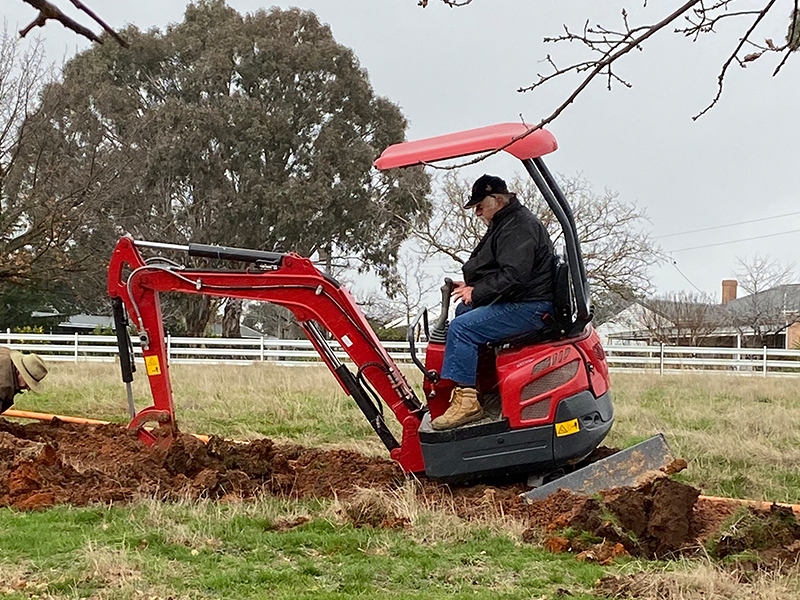
Mini excavators have become one of the most popular machines for small contractors, landscapers, and owner-operators across Australia. They’re compact, versatile, and capable of tackling a wide range of jobs — from trenching and drainage to landscaping and site preparation.
But if you’re thinking about buying one, the real question is:
How much can you actually earn with a mini excavator?
The answer depends on your hourly rate, the type of work you take on, and how often you’re operating the machine. Let’s break down the typical earnings and what you can realistically expect.
Typical Hourly Rates for Mini Excavator Work
In Australia, mini excavator rates vary depending on factors like location, experience, machine size, and attachments.
Typical rates include:
Higher rates are often charged when specialised attachments are used, such as augers, trenchers, or hydraulic breakers.
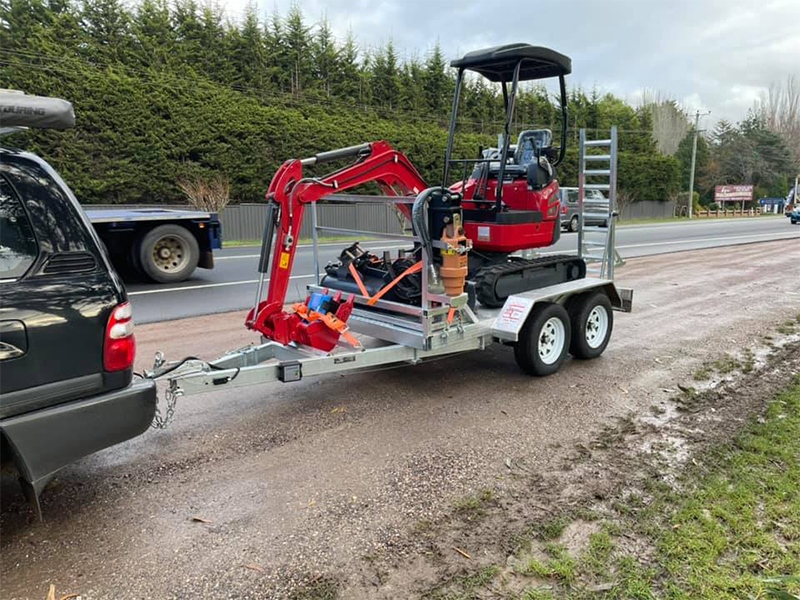
Rates can also increase when transport to the job site is included.
For more information, full pricing and package options, Register Here
What Owner-Operators Can Earn Per Week
Your weekly income will depend largely on how many hours you work and the jobs you take on.
Part-Time Work Example
-
15 hours per week
-
$100 per hour
Estimated weekly income:
$1,500 per week
Many people run mini excavators as a side hustle, taking on weekend jobs or smaller projects.
Full-Time Operator Example
-
35 hours per week
-
$110 per hour
Estimated weekly income:
$3,850 per week
For operators working consistently with builders, landscapers, or councils, a mini excavator can generate a solid full-time income.
Common Jobs That Generate Income
One of the biggest advantages of owning a mini excavator is the wide range of work available. Smaller machines are particularly valuable because they can access tight residential sites where larger equipment cannot.
Some of the most common jobs include:
-
Trenching for plumbing or electrical lines
-
Fence post holes and footings
-
Landscaping and yard levelling
-
Drainage installation
-
Site preparation for sheds or small builds
-
Small demolition jobs
If you’re exploring opportunities, check out our guide to Side Hustles You Can Start With a Mini Excavator, which covers some of the easiest ways to get started.
Expenses to Consider
Like any equipment business, operating a mini excavator also comes with costs.
Typical expenses include:
While these costs are important to factor in, mini excavators generally have lower operating costs compared to larger construction machines.
For a detailed breakdown, see our article on How Much Does a Digger Cost in Australia?
See full range & pricing
How Long Until a Mini Excavator Pays for Itself?
Many buyers consider a mini excavator an income-producing asset rather than just equipment.
For example:
If you operate around 20 hours per week, your machine could generate around $2,000 per week in revenue before expenses.
At that rate, the machine could potentially pay for itself within 6–12 months, depending on workload and operating costs.
Mini Excavator Ownership vs Hiring
If you’re regularly hiring machines for projects, purchasing your own can sometimes make more financial sense over time.
Ownership means:
Our guide on Mini Excavators vs Hiring: Which Makes More Sense Long-Term? breaks down this decision in more detail.
Is a Mini Excavator a Good Investment?
For many contractors, landscapers, and small operators, a mini excavator offers:
-
Strong demand across construction and landscaping
-
Relatively low startup costs compared to heavy equipment
-
Flexible earning potential
-
The ability to work part-time or full-time
With the right jobs and steady demand, a mini excavator can become a valuable tool and a reliable source of income.
Final Thoughts
If you’re considering buying a mini excavator, it’s worth thinking about not just the purchase price, but the earning potential it can unlock.
Between residential work, landscaping projects, and small construction jobs, there’s no shortage of opportunities for operators willing to put the machine to work.
To learn more about choosing the right machine, read our guide to Buying a Digger or Excavator in Australia.